
Hearing Aids: Clearer Hearing, Better Living
Hearing plays a vital role in how we experience the world. From conversations with family and colleagues to the simple enjoyment of music or nature, our ability to hear shapes our relationships and daily interactions. When hearing begins to decline, it can lead to frustration, misunderstandings, and even social withdrawal. Fortunately, modern hearing aids provide a highly effective solution, helping individuals restore clarity, confidence, and connection in their everyday lives.
Understanding Hearing Loss
Hearing loss often develops gradually, which is why many people do not recognise it immediately. You might begin to notice that conversations feel more difficult to follow, especially in noisy environments. Voices may seem muffled, or you may find yourself asking others to repeat themselves more often. Over time, untreated hearing loss can impact communication at work, strain personal relationships, and reduce overall quality of life.
Addressing hearing changes early is important. The sooner hearing loss is identified, the easier it is to manage effectively. Modern hearing solutions are designed not only to improve hearing but also to prevent the emotional and cognitive strain that can result from prolonged listening effort.
How Modern Hearing Aids Work
Today’s digital hearing aids are sophisticated devices that do far more than simply make sounds louder. Each hearing aid contains a microphone that captures sound from the environment, a processor that analyses and adjusts those sounds according to your hearing profile, and a small receiver that delivers enhanced sound into your ear.
The built-in processor works intelligently, identifying speech patterns and distinguishing them from background noise. This allows the device to prioritise voices while minimising distractions such as traffic, wind, or crowded environments. Many hearing aids automatically adjust to different listening situations, ensuring optimal sound whether you are at home, in a meeting, or dining in a busy restaurant.
Because every individual’s hearing loss is unique, hearing aids are programmed specifically to match your hearing test results. This personalised approach ensures comfort, clarity, and a more natural listening experience.
Different Styles to Suit Your Needs
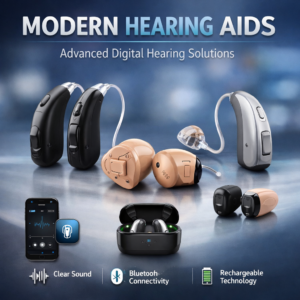
Hearing aids are available in a range of styles to accommodate varying degrees of hearing loss and personal preferences. Behind-the-ear models rest comfortably behind the ear and are suitable for mild to profound hearing loss. They are powerful, durable, and easy to handle.
Receiver-in-canal devices are smaller and more discreet, offering excellent sound quality with a lightweight design. In-the-ear models are custom-moulded to fit your ear shape, providing convenience and comfort in a compact design. For those seeking maximum discretion, invisible-in-canal options sit deeper in the ear canal and are barely noticeable.
Advances in design mean that modern hearing aids are more comfortable and aesthetically appealing than ever before, allowing users to feel confident wearing them in any setting.
Advanced Features for Everyday Convenience
Modern hearing aids incorporate cutting-edge technology to enhance daily life. Many models feature advanced noise reduction systems that reduce background sounds while enhancing speech clarity. Directional microphones help focus on the person speaking directly in front of you, making conversations easier in group settings.
Bluetooth connectivity allows you to stream phone calls, music, and television audio directly to your hearing aids, providing seamless integration with your digital devices. Rechargeable batteries have become increasingly popular, offering the convenience of overnight charging without the need for frequent battery replacements.
Some devices also include smartphone apps that allow users to adjust volume and settings easily, giving greater control over their listening experience.
The Importance of Professional Assessment and Aftercare
A professional hearing assessment is the foundation of successful hearing aid use. During your consultation, a hearing care specialist will conduct a comprehensive hearing evaluation, discuss your lifestyle and communication challenges, and recommend suitable hearing aid options. Once fitted, your devices will be programmed precisely to your hearing profile.
Ongoing aftercare is equally important. Follow-up appointments allow for adjustments as your hearing adapts, ensuring continued comfort and performance. Regular maintenance checks also help prolong the lifespan of your devices and maintain optimal sound quality.
Adjusting to Hearing Aids
Adapting to hearing aids is a gradual process. If you have experienced hearing loss for some time, your brain may need a short period to adjust to hearing clearer sounds again. Initially, everyday noises may seem more noticeable. However, with consistent daily use, your brain quickly relearns how to process and interpret sound naturally.
Most individuals report significant improvement in communication and confidence within a few weeks. Patience, practice, and professional support all contribute to a successful transition.
Hearing Health and Overall Wellbeing
Research suggests that managing hearing loss may support overall cognitive health. When hearing is restored, the brain does not have to work as hard to fill in missing sounds, which can reduce mental fatigue and improve concentration. Clearer hearing also encourages social engagement, which plays an important role in emotional wellbeing.
By addressing hearing loss early, you are investing not only in better communication but also in your long-term health and independence.
Taking the First Step
Hearing aids are more than devices — they are tools that restore clarity, strengthen relationships, and improve quality of life. With today’s advanced technology, they are discreet, comfortable, and highly effective.
If you suspect changes in your hearing, booking a professional hearing assessment is the first step toward rediscovering the sounds that matter most. Clearer hearing can transform the way you experience everyday life.